
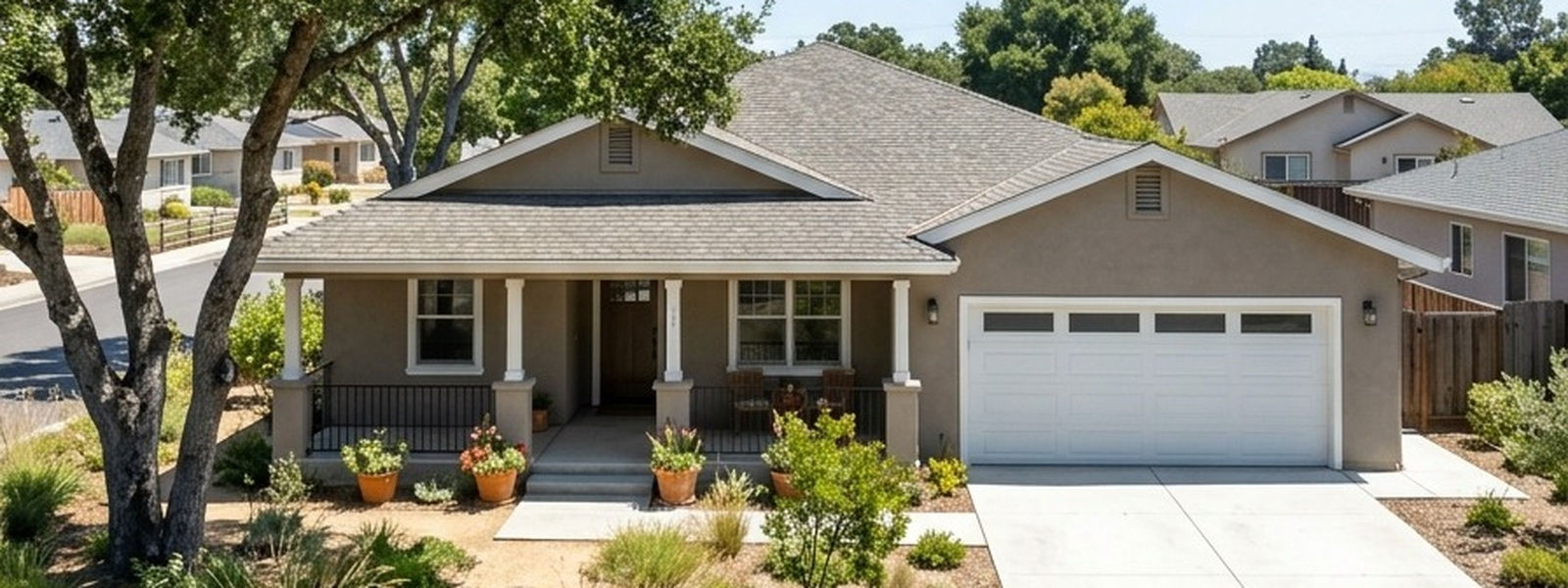
Pricing a Silicon Valley Home: Why Local Comparisons Matter

A sale in one Silicon Valley neighborhood does not automatically establish the right asking price for a similar-looking home across town. Buyers compare specific alternatives, and those alternatives can differ sharply by school boundaries, property condition, layout, lot utility, commute patterns, and available inventory.
Why nearby comparable sales matter more than a citywide average
A citywide median sale price describes the middle of a group of completed transactions. It does not account for the individual features of your home. A useful comparative market analysis starts with recently closed properties that compete with yours in location, size, condition, and buyer appeal. Then it examines how those homes differ.
Closed, pending, and active listings tell different stories
Closed sales show what buyers actually paid, although they reflect negotiations that happened in the past. Pending sales can indicate current demand, but their final terms may not be public. Active listings reveal today's alternatives and asking prices, not proven market value. Price reductions, concessions, and days on market add context to all three groups.
Cupertino: evaluate the actual buyer alternatives
In Cupertino, compare homes within the relevant neighborhood and verify school assignments directly rather than relying on city names or marketing descriptions. Lot characteristics, remodeling quality, street exposure, and the supply of similar homes can all affect the competitive position of a listing.
Saratoga and Los Gatos: location and property characteristics matter
Saratoga and Los Gatos include varied property types and settings. Two homes with comparable square footage may differ in usable land, topography, access, maintenance needs, privacy, and improvements. These differences deserve individual analysis rather than a uniform price-per-square-foot adjustment.
Sunnyvale and Los Altos: look beyond the headline number
In Sunnyvale and Los Altos, buyers may weigh commute access, floor plans, neighborhood setting, and renovation costs differently. A remodeled home and one requiring substantial work are not interchangeable simply because their reported square footage is similar.
A practical five-part pricing review
1. Define the competitive set. Identify the homes a buyer would genuinely consider instead of yours, based on neighborhood, property type, size, condition, and price range.
2. Examine closed comparable sales. Review recent sale prices, timing, property differences, and disclosed concessions or terms when available.
3. Check current competition. Compare active listings, pending activity, days on market, and price changes. Remember that asking prices are not completed sale prices.
4. Adjust for the actual property. Consider floor plan, renovation quality, lot usability, access, condition, and other location-specific factors rather than relying on price per square foot alone.
5. Set a strategy and review the response. Choose an evidence-based initial asking price, then monitor showings, buyer feedback, new competing homes, and offers. Reassess when meaningful evidence changes.
Why the highest asking price is not necessarily the best strategy
An ambitious asking price can limit interest when buyers have compelling alternatives. A lower asking price does not guarantee multiple offers or a higher final sale price either. The goal is to position the property based on defensible evidence and the seller's priorities, then respond to actual market feedback.
Frequently asked questions
Should I price my Silicon Valley home using an online estimate?
Use automated estimates as one reference, not a substitute for reviewing comparable transactions, property-specific details, and the current competitive set.
Are price-per-square-foot comparisons reliable?
They are a starting point, but they can obscure differences in lot usability, condition, floor plan, and location. Compare genuinely similar properties before drawing conclusions.
How often should sellers revisit their pricing strategy?
Review meaningful changes in competition, buyer response, and showing activity after launch. The right timing depends on the listing and local conditions; there is no universal number of days.
Does the same strategy work in Saratoga, Cupertino, Sunnyvale, Los Gatos, and Los Altos?
No single formula fits every neighborhood or property type. Each pricing recommendation should be built around its own competing listings and recent transaction evidence.
Local guidance for your next move
I'm Nadia Kafaipour, REALTOR®, with Real Brokerage Technologies, Inc. I help buyers and sellers in Saratoga, Cupertino, Sunnyvale, Los Gatos, Los Altos, and surrounding Silicon Valley communities evaluate the details behind a home's price. For a property-specific discussion, visit homeswithnadia.com. California DRE #02205762.


Comments